Pocket Bard
Pocket Bard Inc.Music & Audio
4.8424.00 Reviews
- Version
- 3.1.17
- Installs
- 500.00K
- Age Rating
- Teen
Screenshots
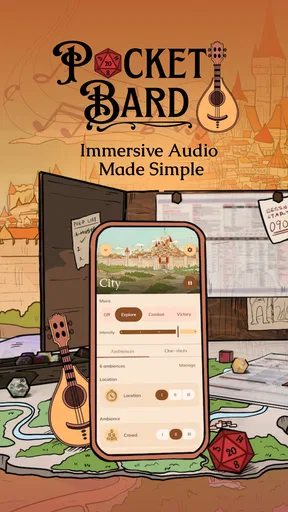
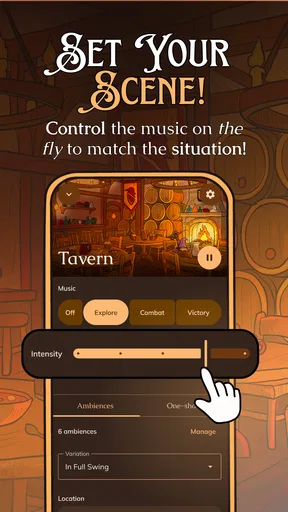
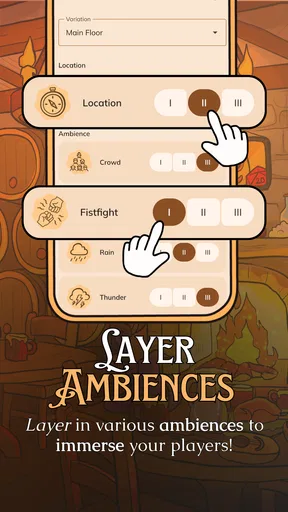
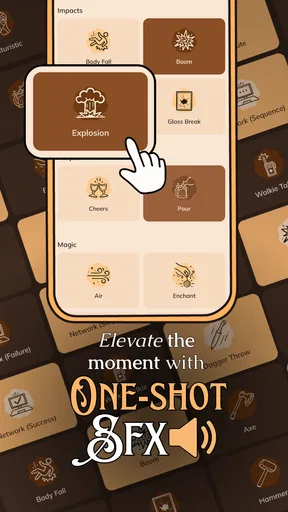
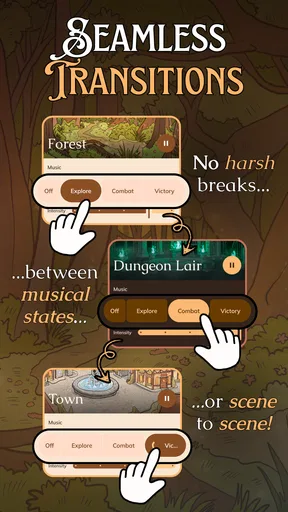
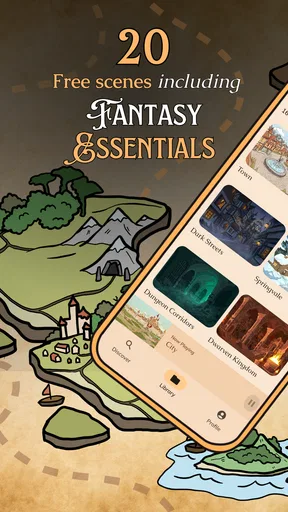


Our Review of Pocket Bard
 Analysis by Appyee
I look at Pocket Bard less as a novelty soundtrack player and more as a tool that can make a tabletop session feel fuller without asking the game master to become a sound engineer. That distinction matters once the first-week excitement wears off: an atmospheric app earns its place when it is easy to return to during preparation and play, not merely fun to explore once. Made by Pocket Bard Inc., this free music and audio app is aimed at tabletop role-playing games and related creative uses. Its audience includes people who want mood-setting sound close at hand, but the real test is whether that sound helps a group rather than becoming another thing to manage.
What the first week gets right
The appeal is immediate if you already run or play fantasy-leaning tabletop adventures. Instead of searching through ordinary music playlists while everyone waits, you can use an app built around the idea of matching audio to a scene. That focus gives it a more purposeful feel than opening a general streaming service and hoping the right track appears. In a first session, even a simple change of atmosphere can help signal that the group has moved from a safe tavern to a tense passage or a dramatic confrontation.
It is also a good fit for solo preparation. I can imagine using it while sketching a location, writing a few notes for a character encounter, or trying to decide whether a scene should feel eerie, lively, or calm. The benefit is not that music writes the adventure for you; it is that sound gives your imagination a prompt. If you are new to running games, that can make preparation feel less like staring at a blank page. If you are experienced, it can add a little sensory texture without changing the rules or structure of your game.
How it compares with familiar audio options
The usual alternative is a playlist in a music app, a collection of downloaded tracks, or simply no background audio at all. Those choices can be better when you already have a carefully organized library, want a specific licensed song, or prefer complete control over every transition. A general music service is familiar and flexible, but it can take time to find suitable material and manage interruptions. Pocket Bard’s appeal is the tabletop-first framing: the sound is meant to serve a scene, rather than make you build the scene around a song.
That trade-off is worth thinking through before relying on it at the table. An audio tool can help maintain mood, but the game master still needs to pay attention to players, pacing, and conversation. If selecting or changing sound pulls you out of the session, a single playlist—or silence—may work better. I would test the app during preparation or a low-stakes game before making it part of an important session. The most useful setup is the one you can operate without turning a dramatic moment into a search-and-tap break.
A realistic session workflow
Picture a weeknight game with friends, a short window to prepare, and a few locations you want to make distinct. I would decide on the scenes first, then explore the available audio before the session rather than browsing while players are waiting. A quick note beside each location—what mood it needs and when I might change it—would keep the sound subordinate to the story. During play, I would let dialogue take priority and use music only where it supports the moment. This approach makes the app part of preparation, not a second activity competing with the game.
There is a small but useful habit here: treat audio choices as cues, not as a soundtrack that must run constantly. A quiet stretch can make a later shift more noticeable, and leaving room for players to talk avoids competing with the table. If your group enjoys lively conversation, lower-key use may be more effective than trying to fill every pause. If the session is online or played in a noisy room, it is also sensible to check that the audio can be heard comfortably without overpowering voices. Those choices depend on your setup, so a brief test beforehand can prevent avoidable fuss.
Who is likely to keep using it
I can see this becoming a recurring part of a game master’s routine when they run sessions regularly and enjoy adding atmosphere, especially if they do not want to assemble and maintain a separate library of scene-setting audio. It may also suit players who want evocative sound while writing, drawing, or imagining a campaign between sessions. The app is free to start with, while in-app purchases range from $6.99 to $49.99 per item, so I would explore the free experience first and only consider paying if the available material fits a repeatable need. Teen is the content rating, a useful detail for families and younger users choosing audio apps.
It is less compelling for someone who rarely plays tabletop games, dislikes background music, or already has an audio workflow that works smoothly. A group that prefers conversation without sound does not need to add an app just because it is available. Likewise, if you want a conventional music player for albums, playlists, or everyday listening, a general audio app is the more natural choice. Pocket Bard makes the most sense when its tabletop purpose matches an activity you already do often enough to build a habit around it.
Month-to-month value and the cost of keeping it useful
Its longer-term value depends less on how impressive it feels on day one and more on whether it saves a little effort each time you prepare. I would judge it over several sessions by asking a practical question: does it help me establish a mood faster than my usual method, without distracting me from the people at the table? If the answer stays yes, the app has a clear job. If I find myself browsing more than playing, or reaching for the same familiar playlist instead, its initial charm may not translate into lasting use.
Maintenance is a real part of any sound-based routine. You need to decide when audio belongs, make sure the device is ready, and avoid fiddling with choices in the middle of a scene. A modest plan—pick a few moods before play and keep the rest for later—can reduce that burden. I would also revisit the setup when a campaign changes tone, rather than rebuilding it for every session. That keeps the app useful without turning audio selection into another ongoing project.
There are a few questions I would settle before making it a fixture: can the sound sit quietly beneath your group’s voices, can you reach a suitable mood without breaking the flow, and does the material you actually use justify any optional purchase? Those are more important than having endless choices. The answer will vary by table, so try it in the specific setting where you play. A feature that feels effortless alone may need a different approach with several people talking around a table.
First Impressions
When I first launched Pocket Bard, I was greeted by a whimsical interface that immediately set the tone for what was to come. The app is beautifully designed, with a medieval flair that makes you feel like you've stepped into a fantasy world. The colors are vibrant, and the animations are smooth, making navigation a breeze.
Interface and Usability
One of the things I loved about this app is how intuitive it is. You don't need to be a tech wizard to figure it out. The main menu is straightforward, with options to explore different stories, listen to music, and even create your own tales. It's all laid out in a way that feels natural, so you're never left scratching your head.
Features Galore
What makes Pocket Bard stand out is its rich feature set. The app offers an impressive library of stories, each accompanied by its own unique soundtrack. The stories range from epic quests to light-hearted adventures, ensuring there's something for everyone. And if you're feeling creative, you can dive into the "Create" section and craft your own tale, complete with customizable music tracks. It's like having a digital bard at your fingertips!
Another standout feature is the "Adventure Mode," where you can choose your own path through various storylines. It's interactive storytelling at its finest, keeping you engaged and coming back for more.
Soundtrack That Steals the Show
The music in Pocket Bard is nothing short of spectacular. Each track is meticulously crafted to fit the mood of the story, enhancing the overall experience. Whether it's a haunting melody or a jubilant tune, the music draws you in and makes you feel like you're part of the tale. I found myself humming along more than once!
That musical pull is a strength when I am exploring the app on my own, but it can be a drawback at a busy table. A memorable tune may compete with dialogue or make quieter players harder to hear. I would treat the soundtrack as an ingredient rather than the main event: use it when the scene benefits, then let it recede when conversation carries the moment. This is one reason I would avoid choosing tracks spontaneously during a tense exchange; a little advance planning keeps the music from stealing attention from the people it is meant to support.
Performance and Reliability
Throughout my time with the app, I didn't encounter any hiccups or crashes. It runs smoothly on both Android and iOS, which is a huge plus for those who switch between devices. The developers have clearly put a lot of effort into ensuring a seamless experience, and it shows.
For someone deciding whether an older device can be part of the setup, the minimum operating system requirement is version 9. The current release is 3.0.25, and the app has passed 100,000 installs, with an average rating of 4.4 from around 2,600 ratings and 342 written reviews. I read those figures as signs that it has found an audience, not as a guarantee that every table will like its style. The best test is still whether its sound and workflow suit your own group.
One practical distinction is between trying an app during a quiet moment and depending on it during a live session. Before game night, I would open it on the device I plan to use and make sure I can get to the kind of audio I want without lengthy browsing. If you play with friends in person, the device’s placement and volume matter as much as the app itself; if you play remotely, the way sound is shared depends on the call or setup you already use. Thinking through those details ahead of time helps avoid blaming the app for a problem that is really about the room or the group’s audio arrangement.
Community and Support
Another aspect worth mentioning is the thriving community around Pocket Bard. The app encourages users to share their creations, leading to a vibrant community of storytellers and musicians. Plus, the support team is responsive and helpful, ready to assist with any issues or questions you might have.
Community features can add inspiration, but I would not make them the reason to adopt a sound tool. The lasting value has to come from what you can use in your own routine: a quicker way to establish atmosphere, material that fits the game you are running, or a prompt that helps you plan. If sharing and browsing become the main activity, that may be enjoyable in its own right, but it is different from reducing preparation effort. Keeping that distinction clear makes it easier to decide whether the app is earning a regular spot or simply providing a pleasant occasional diversion.
When the novelty fades
Every atmospheric tool risks becoming background noise, including one built around music and storytelling. I would watch for two signs of fatigue: reaching for the same mood in every scene, and feeling obliged to keep audio running even when silence would create more tension. Neither means the app has failed. They are reminders to use sound selectively and to let the group’s preferences shape the routine. If the soundtrack starts to feel repetitive, changing the way you use it—or taking a session off from music—may be more useful than adding more material.
That flexibility is what makes the difference between a toy I open once and a tool I keep installed. For a regular game master, a brief pre-session check and a few intentional choices can be a manageable habit. For an occasional player, the same preparation may be more effort than the payoff. The app is free, with optional in-app purchases priced from $6.99 to $49.99 per item, so I would not spend simply to solve a problem I have not encountered. Try the routine first; pay only if the material and the way you use it have become part of your regular sessions.
Long-term verdict
In conclusion, Pocket Bard is a must-have for anyone who loves a good story and a catchy tune. It's more than just an app; it's an adventure waiting to happen. Whether you're a seasoned storyteller or just looking for some musical escapism, this app has something to offer. So, why not give it a try? You might just find yourself swept away on a fantastical journey.
My more measured recommendation is to try it when you have a real use for scene-setting audio, then judge it by how naturally it fits your next few sessions. I would keep it if it helps me prepare or play with less searching and more focus; I would leave it aside if the table prefers quiet or the controls draw attention away from the game. For the right group, that modest, repeatable benefit can outlast the novelty. For everyone else, it can remain an occasional source of inspiration rather than a permanent part of the routine.
Verdict
Strengths of Pocket Bard
- Rich storytelling and immersive narratives.
- High-quality voice acting and sound effects.
- Regular updates with new adventures.
- Customizable character options.
- User-friendly interface for easy navigation.
Limitations of Pocket Bard
- Requires internet connection for full features.
- Limited offline content availability.
- Potential for in-app purchases.
- May consume significant battery life.
- Some storylines may be too short.
Similar Picks in This Category
View All
YouTube Music
Google LLC4.4

Samsung Music
Samsung Electronics Co., Ltd.3.8

Spotify: Music and Podcasts
Spotify AB4.3

JioSaavn - Music & Podcasts
Saavn Media Limited4.3

Lark Player:Music Player & MP3
Lark Player Studio - Music, MP3 & Video Player4.6

StarMaker: Sing Karaoke Songs
SKYWORK AI PTE. LTD.4.3
Frequently Asked Questions
What is Pocket Bard and how does it work?
Pocket Bard is an innovative app designed to enhance your storytelling experience. It provides a vast library of soundscapes, music, and ambient sounds that you can use to enrich your tabletop role-playing games or creative writing sessions. Simply choose a scene or theme, and the app will play the corresponding audio to match the mood.
Is Pocket Bard available for both Android and iOS devices?
Yes, Pocket Bard is available for download on both Android and iOS platforms. You can find it on the Google Play Store for Android devices and the Apple App Store for iOS devices. Ensure your device meets the app's system requirements for optimal performance.
Does Pocket Bard require an internet connection to function?
Pocket Bard primarily functions offline, allowing you to access downloaded soundscapes without needing an internet connection. However, you will need an internet connection to download new sounds or updates. This feature ensures you can use the app in locations with limited connectivity.
Are there any in-app purchases in Pocket Bard?
Pocket Bard offers a range of free content, but it also includes in-app purchases. Users can buy additional soundscapes, music packs, or premium features to expand their library. These purchases are optional, and the app remains functional even without them, offering a balanced free experience.
How user-friendly is Pocket Bard for beginners?
Pocket Bard is designed with a user-friendly interface, making it accessible for beginners. The app includes tutorials and guides to help new users navigate its features. With intuitive controls and easy-to-understand instructions, even those new to audio enhancement apps can quickly get started.
